my previous kamienie na szaniec rentry was so cringe i feel bad for anyone that read it. forgive me i sounded like a bot
24/01/26 happy 105th birthday zośka ❤ we miss you and we love you
11/02/26 84th anniversary of akcja kopernik!
26/03/26 hello everybody 83rd anniversary of operation arsenal
30/03/26 today is the 83rd anniversary of alek's and rudy's deaths, i miss you alek
06/05/26 happy birthday rudy! ❤️
01/08/26 its the 82nd anniversary of the warsaw uprising today! glory to all the soldiers
04/08/26 82nd anniversary of krzysztof's death
^ i should move this part somewhere else.. it looks a bit out of place i'm ngl but i want to keep it. in the process of remaking this entire rentry okay bear with me
photos of graves are taken by me mkay
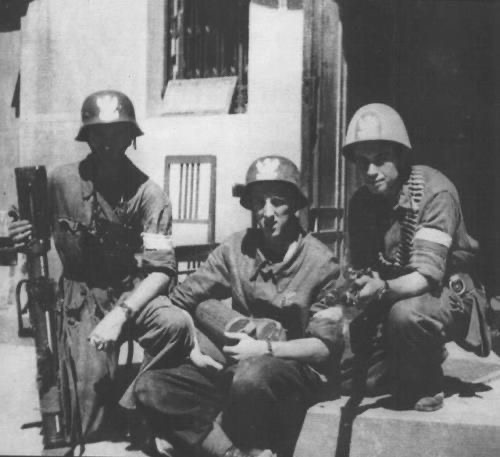
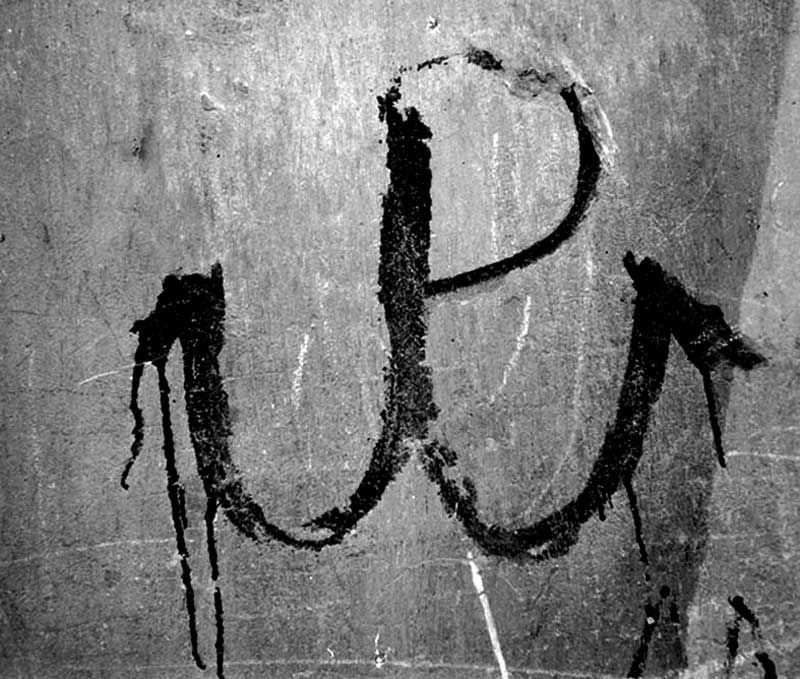
first of all, why is this so long? this rentry is meant to honor the polish resistance members who died in ww2, especially the ones people dont hear about much (the ones who werent even properly remembered by history, those who have unknown dates of death/birth), so i wanted to give them the attention they deserve.
a quick summary of the main book:
kamienie na szaniec is a non-fiction book by aleksander kamiński, written in 1943, based on real people and real events during the german occupation of poland in ww2. it follows young members of the underground scouting organization szare szeregi (grey ranks) and shows how ordinary teenagers were forced to become part of the resistance.
the book centers on three close friends, alek (maciej aleksy dawidowski), rudy (jan bytnar) and zośka (tadeusz zawadzki)
rudy was arrested by the gestapo on the 23rd of march, 1943, after his address was found in one of his friend's notebook. during the investigation, he was often tortured until he lost consciousness. as a result of the cruel methods used by the germans during the investigation, he was admitted to the pawiak prison hospital on the second day after his arrest with severe physical injuries and the first symptoms of uremia.
on 26 march 1943, polish resistance members carry out akcja pod arsenałem (operation arsenal) to free rudy from gestapo custody. the operation succeeds, but rudy is in critical condition due to severe torture.
- 30 march 1943 – rudy and alek die on the same day, rudy dies from injuries caused by gestapo torture & alek dies from wounds sustained during the rescue operation
- after that, zośka spirals into depression due to guilt
- 20 august 1943 – zośka is killed in combat, being the only casualty
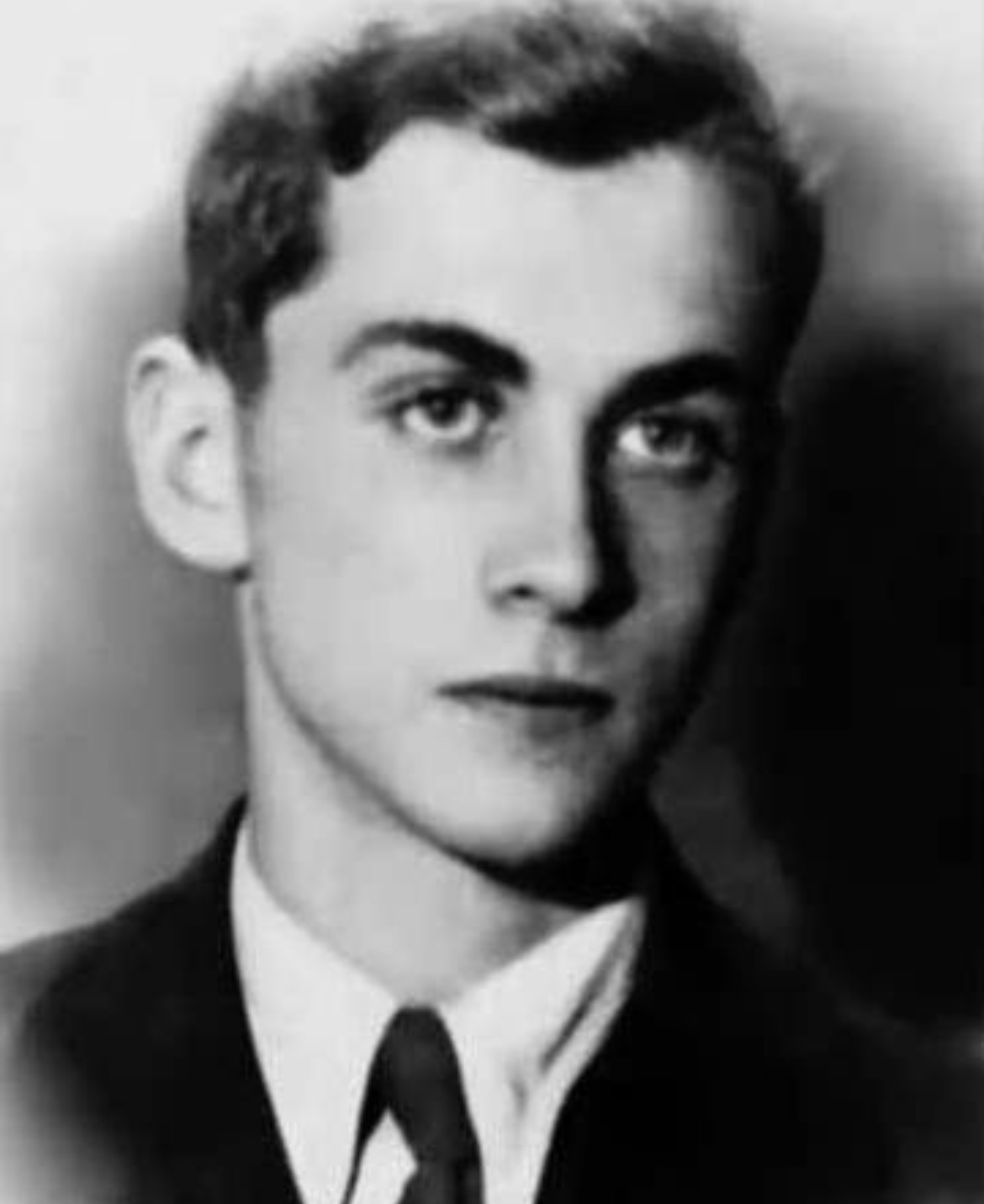
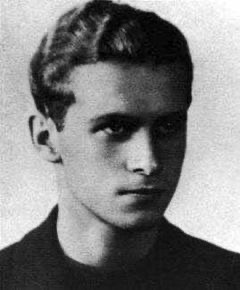
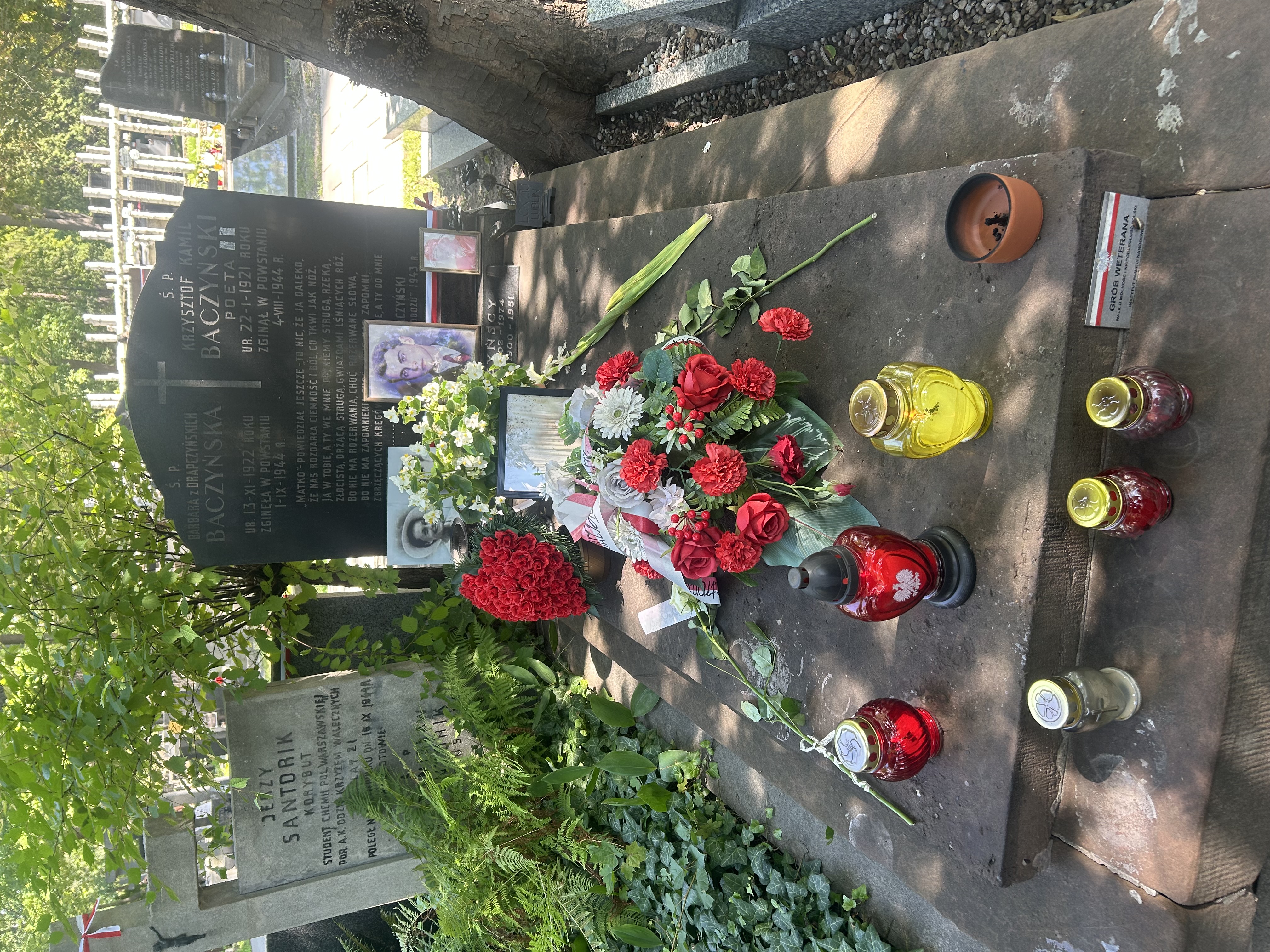
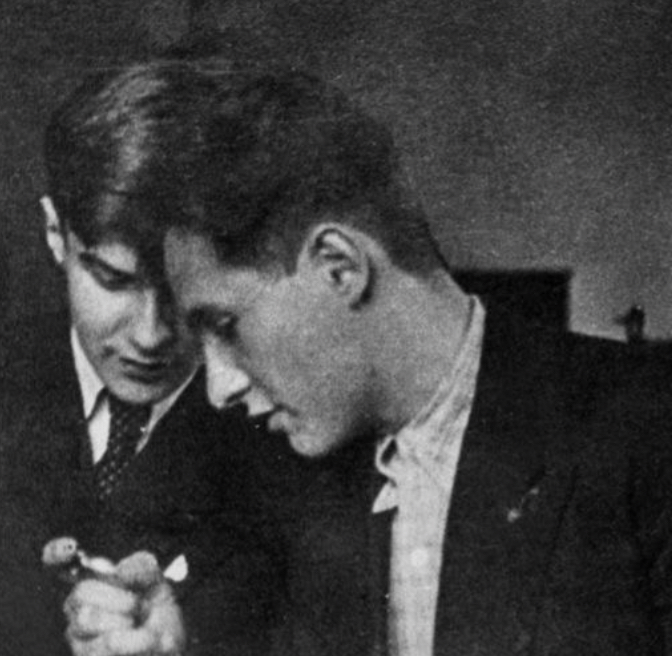
krzysztof kamil baczyński:
- a friend of the three boys, one of the most famous polish poets of ww2, also a soldier of the armia krajowa (home army) and member of the grey ranks. his underground pseudonym was jan bugaj (used especially for his wartime poetry publications). 
- born 22 january 1921 in warsaw; studied secretly during occupation and joined the resistance movement
- started publishing poems during occupation under fake names expressing wartime fear, hope, identity, patriotism, and personal tragedy. 
- he joined battalion zośka in 1943 and fought in the home army, first in zośka groups and later in parasol battalion units during the warsaw uprising. 
- he was killed in action on 4 august 1944 during the warsaw uprising by a german sniper.
anoda (jan rodowicz):
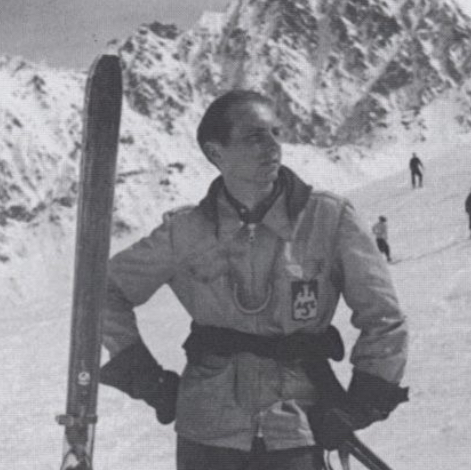
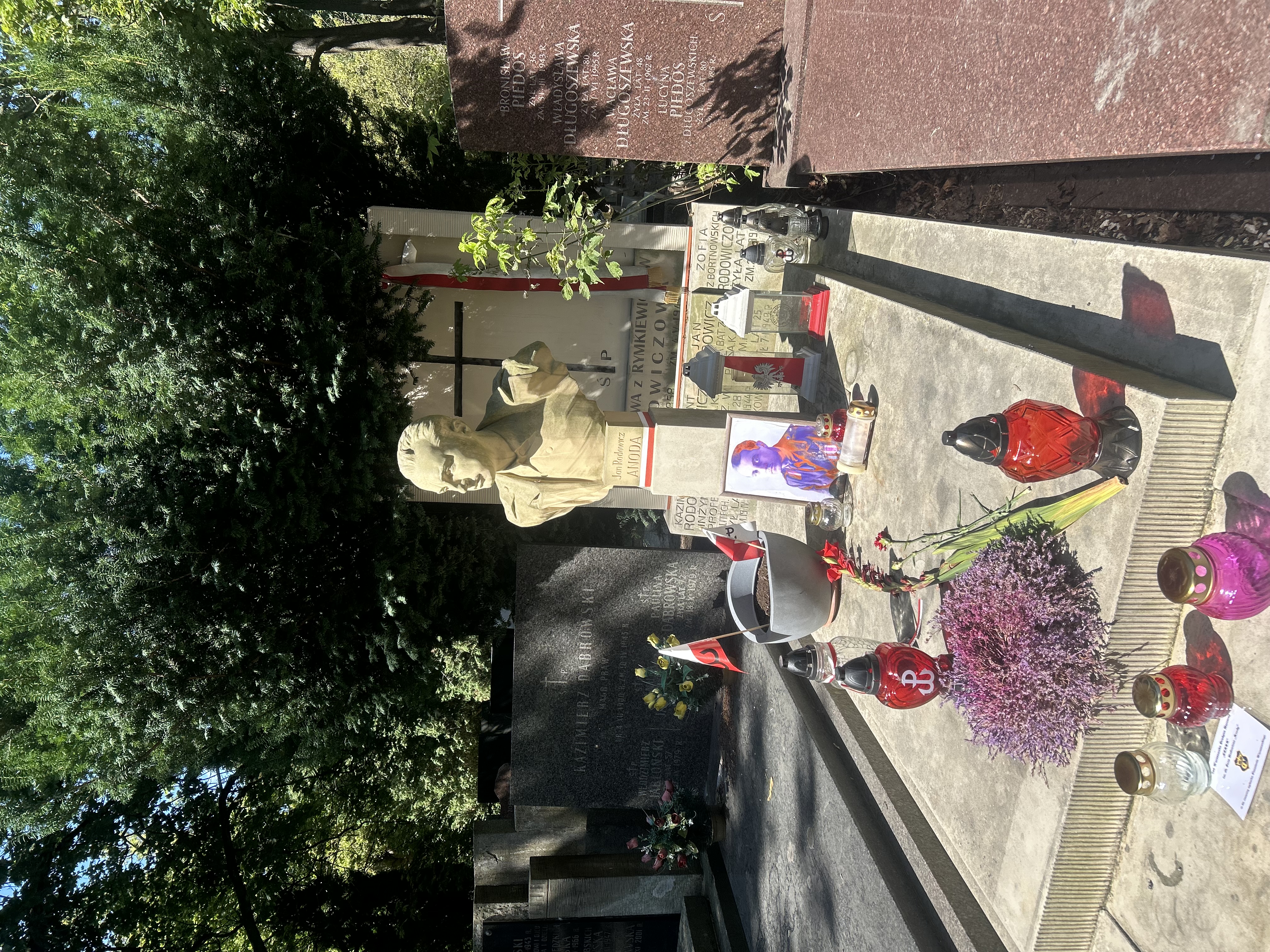
- he was born on the 7th of march, 1923
- he was a home army lieutenant, a soldier of the zośka battalion, warsaw uprising hero
- he took part in the small sabotage and bigger ops like operation arsenal
- he tragically died on 7 january 1949 at the hands of USSR security forces after being arrested. officials spread propaganda saying he comitted suicide.
orsza (stanisław broniewski):
- one of the most important leaders of the grey ranks.
- born 30 december 1915, he became the chief commander of the underground polish scouting movement during ww2.
- he was responsible for organizing and directing scouting resistance activities, including sabotage, intelligence, and armed actions.
- unlike many of his subordinates, he survived the war, continued working in education and scouting after 1945, and died on the 30th of may 2000.
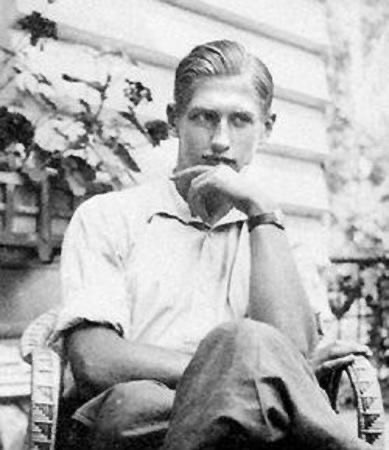
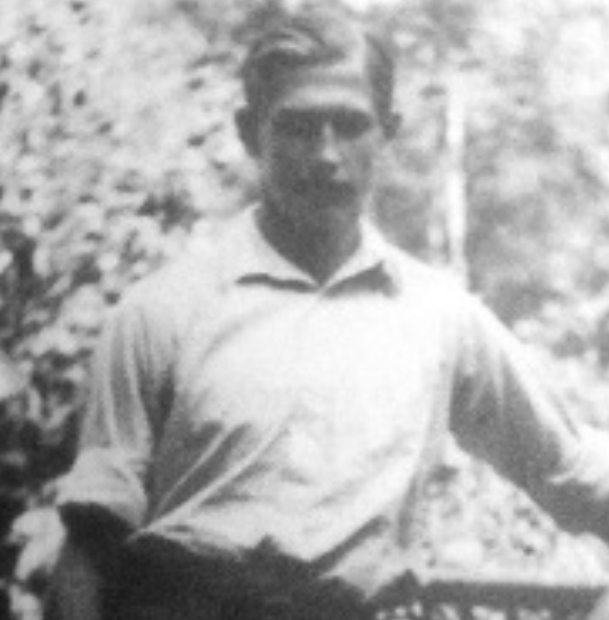
morro (andrzej romocki):
- he was born on the 16th of april 1923 (my birthday is on the 17th of april, almost birthday twins)
- he was posthumously promoted to a captain (making him one of the youngest captains in the entire home army)
- he commanded the 2nd company of the "rudy" battalion within the "zoska" battalion group.
- he was killed on september 15, 1944, during heavy fighting in the czerniakow district of warsaw
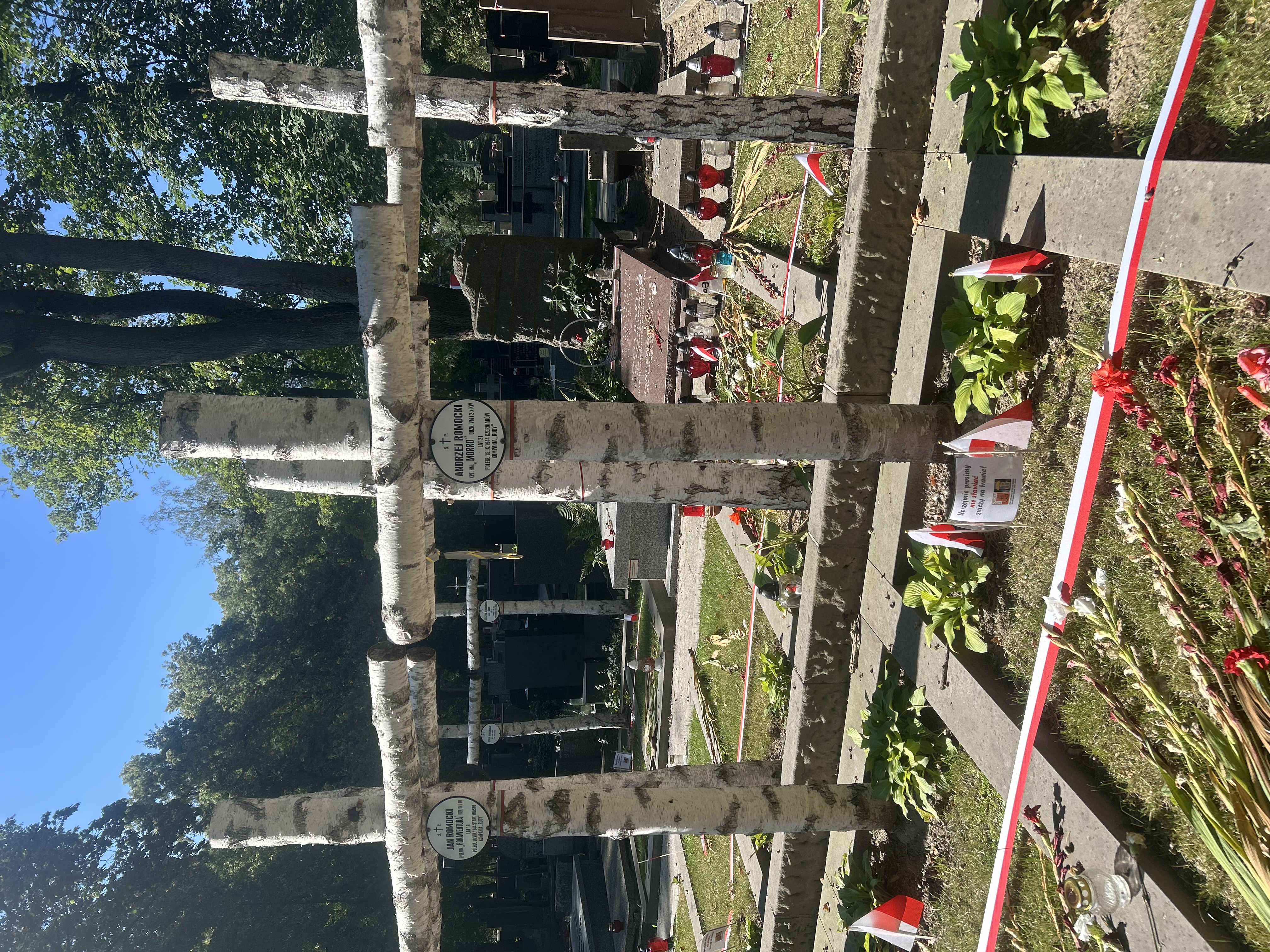
left a znicz for my dearest brother
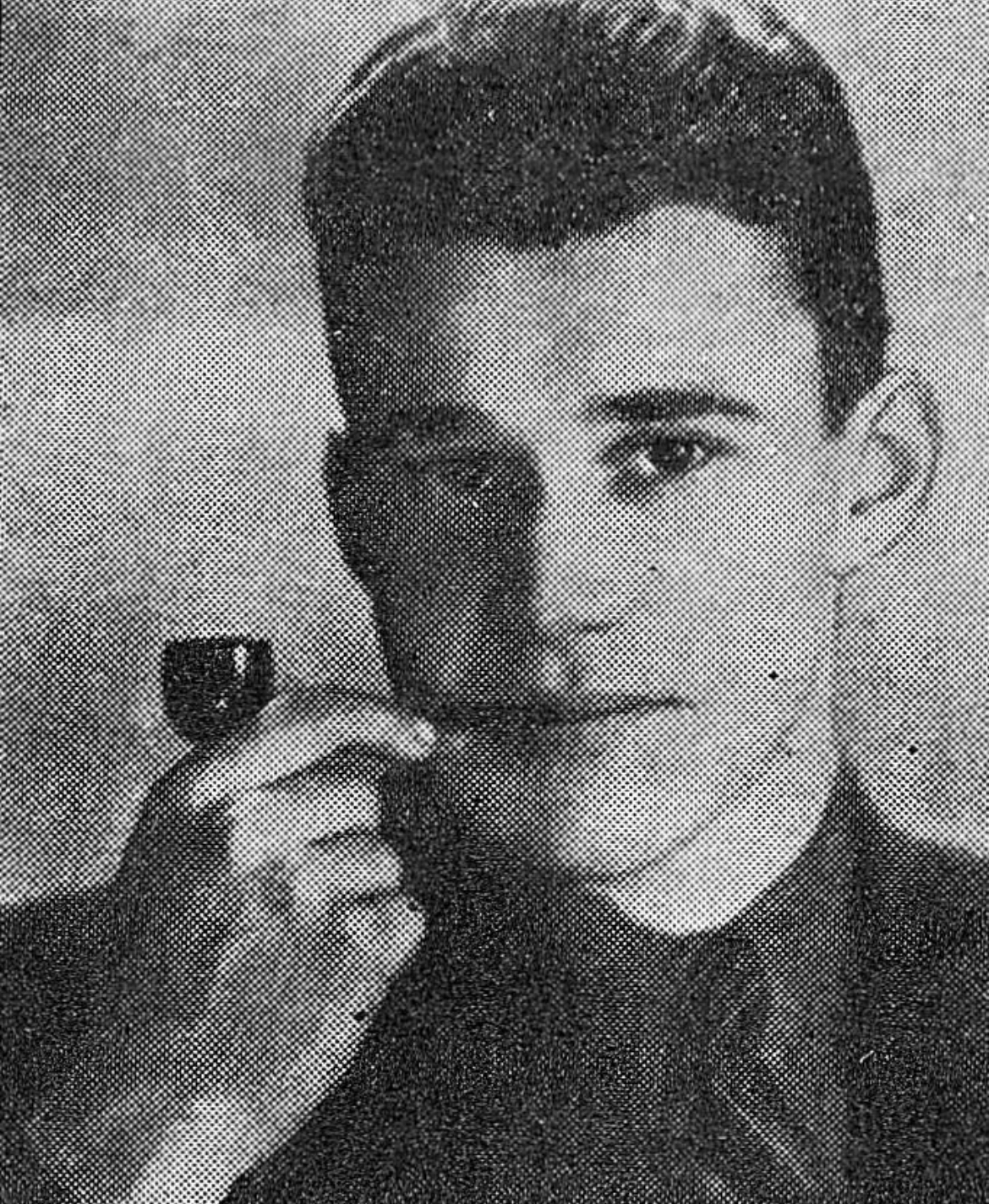
buzdygan (tadeusz krzyżewicz)
- he born on 15 february 1924
- he was a sergeant cadet in the home army and a scoutmaster in the grey ranks
- student of medicine at a secret underground university during the occupation
- he took part in operation arsenal. he was in the assault team called sten ii, and during the operation he was seriously wounded by a german police officer.
- he later died from his wounds on april 2 1943
- he has aura
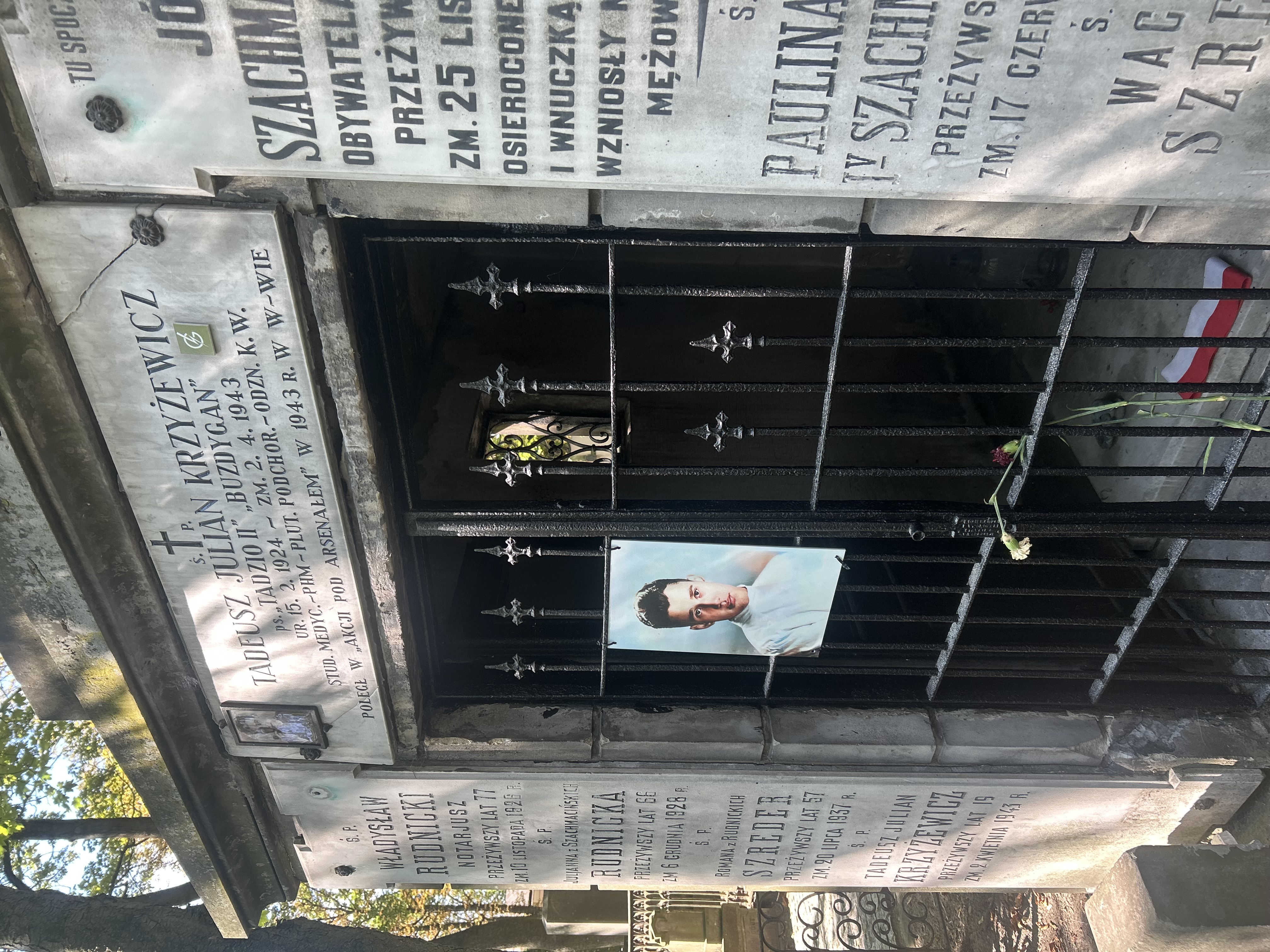
sweetest boy ever i left him a znicz aswell
HM:
- jerzy masiukiewicz aka mały, polish resistance member. born in 1921, he was also a prisoner in both auschwitz and buchenwald concentration camps, which explains why official records sometimes dont mention his dates. died in 1945, right after the war ended. no specific dates.
- władysław cieplak aka giewont, born 6 june 1917. scout leader and lieutenant in the home army. killed by german bombardment 30 august 1944
- hubert lenk, member of the grey ranks and a corporal in the home army. born in 1924, there are two versions about the date of his death. according to the first, he was pulled by the germans during the investigation, probably at the gestapo hq at szucha avenue. according to another, he was shot by the germans on may 7, 1943. his body was never found.
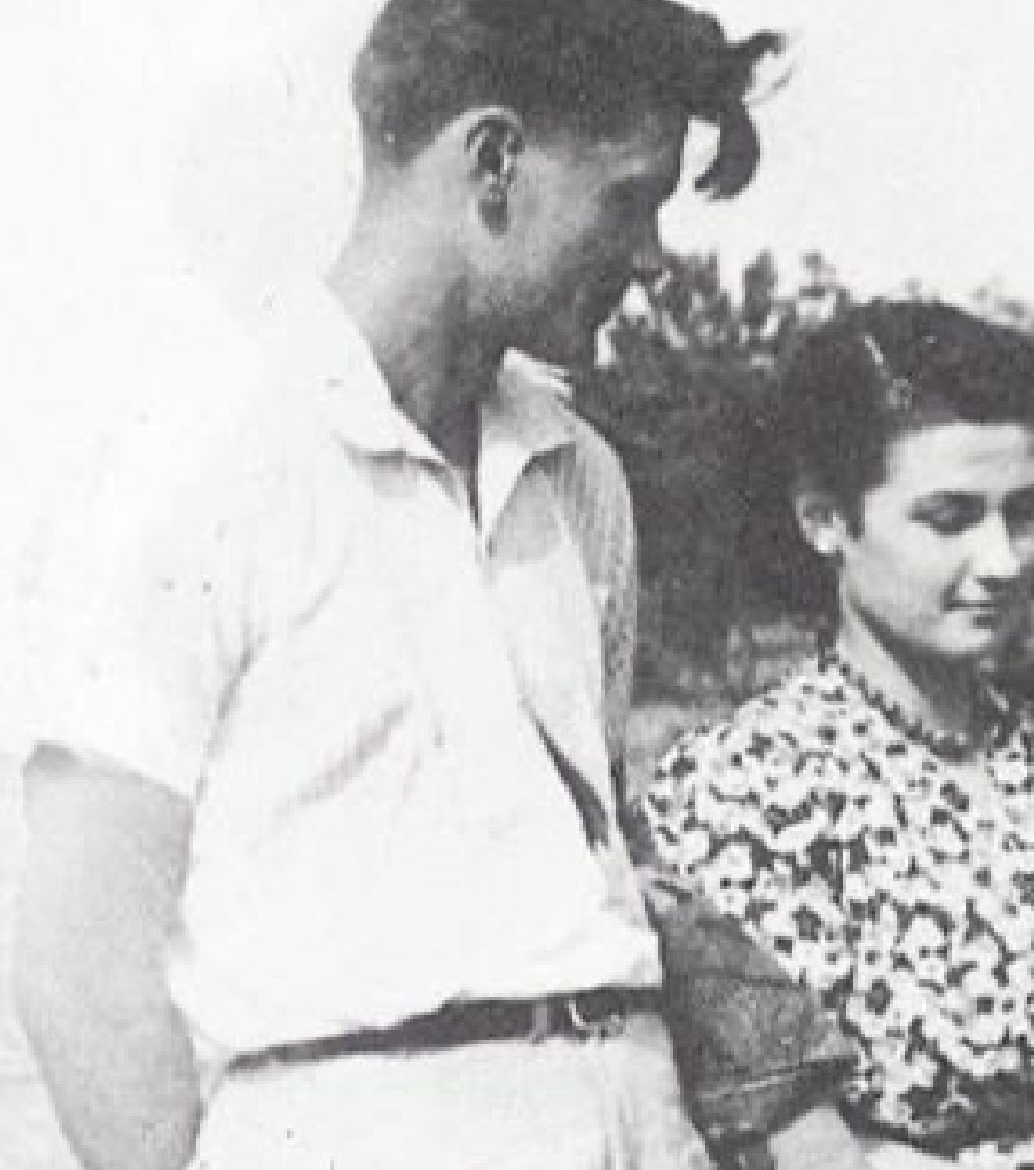
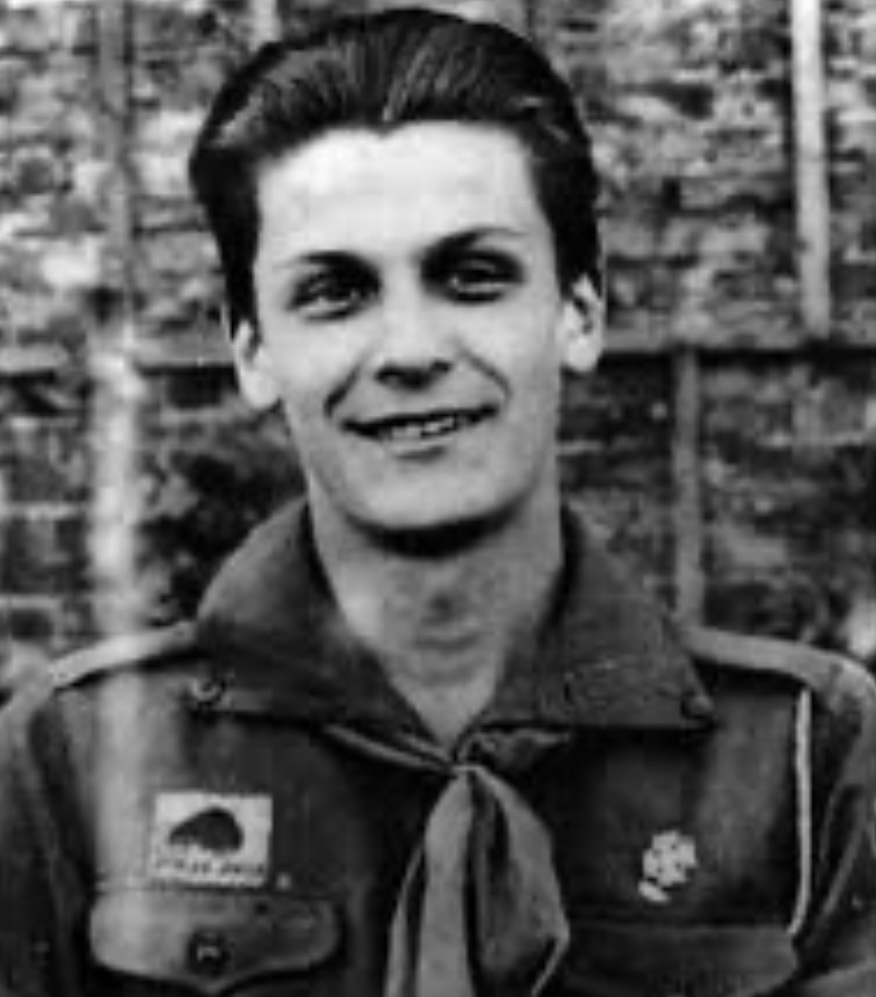
maciej aleksy dawidowski "alek" born on the 3rd of nov. 1920, died on the 30th of mar. 1943
polish underground scoutmaster, key activist of the grey ranks resistance movement, second lieutenant in the home army who took part in major anti-nazi operations during ww2.
(technically, he was a sergeant cadet but translating his rank to english would make him a second lieutenant, additionally he commanded the sabotage and diversion platoon which is the role of a second lieutenant. he already finished the underground officer training school and was going to be promoted. the only reason he didn't have the official commission paper signed before he died was due to the extreme secrecy and slow bureaucracy of the underground headquarters in 1943)
during the war in 1941, alek joined the grey ranks. it was a time when they were active in the small sabotage organization “wawer”, and one of his most famous actions was the removal of the german plaque ("dem grossen deustchen astronomen” – "the great german astronomer") from the monument of nicolaus copernicus, that’s where his nickname “kopernicki” originated from. in retaliation for the removal of the plaque, the germans removed the monument of jan kilinski and deposited it in the underground of the national museum. alek managed to determine the hiding place of the monument, he placed a poster on the pedestal of the copernicus monument: in retaliation for the destruction of the kilinski monument, i order to extend the winter by 6 weeks, nicolaus copernicus astronomer. stickers with such content also appeared on governor fischer’s announcements about the dismantling of the kilinski monument.
unfortunately, the dawidowski family paid a high price for the “war of monuments”. alek was wanted, so he had to leave warsaw. after returning in september, he continued to hide, working under a false name in the industrial fire brigade. in november, during another inspection in the apartment at ul. mickiewicza 18 his mother was arrested. janina dawidowska was transported to pawiak, from where she was sent to the concentration camp on majdanek, and then to kl ravensbruck. alek, broken after her arrest and thinking it was his fault she got caught, considered voluntarily surrendering himself to the gestapo in exchange for his mother’s dismissal.
on march 26, 1943, during operation arsenal, he commanded the “grenades” section in the “attack” group. after the successful rebound of the prisoners, during the jump towards the old town, he was seriously wounded in the stomach during a gun fight with the germans.
he was evacuated by a stopped german car. alek threw a grenade through the ajar door in the direction of the germans, which made it possible to retreat safely. at his own request, instead of a sanitary organized for the needs of the action, he was transported to the apartment of his friend.
the shot wound to the abdomen turned out to be really serious and required immediate surgery. maciej was transported to a hospital. the last moments of alek described orsza as follows: “he was cheerful to the end. he was glad that he did his duty well. he was happy that rudy was free and happy. he was getting weaker. this alek is the best built among his friends, athletic, full of humor and optimism - now he was quiet and calm. his calmness was some kind of absurdity for the closest ones.” alek did not make it. he passed away 4 days later, on the 30th of march.
posthumously awarded on may 3, 1943 with the cross of the order of virtuti militarii 5th class, and in 2011 with the commander’s cross with the star of the order of polonia restituta.
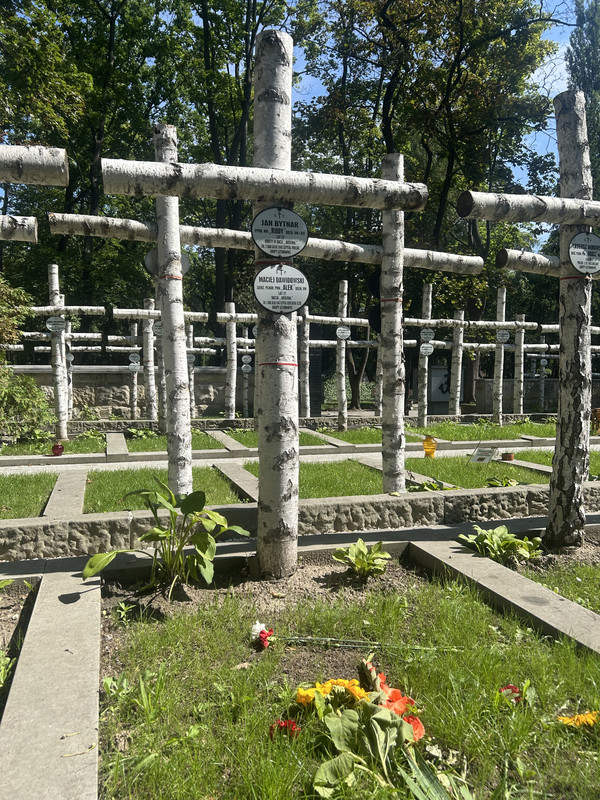
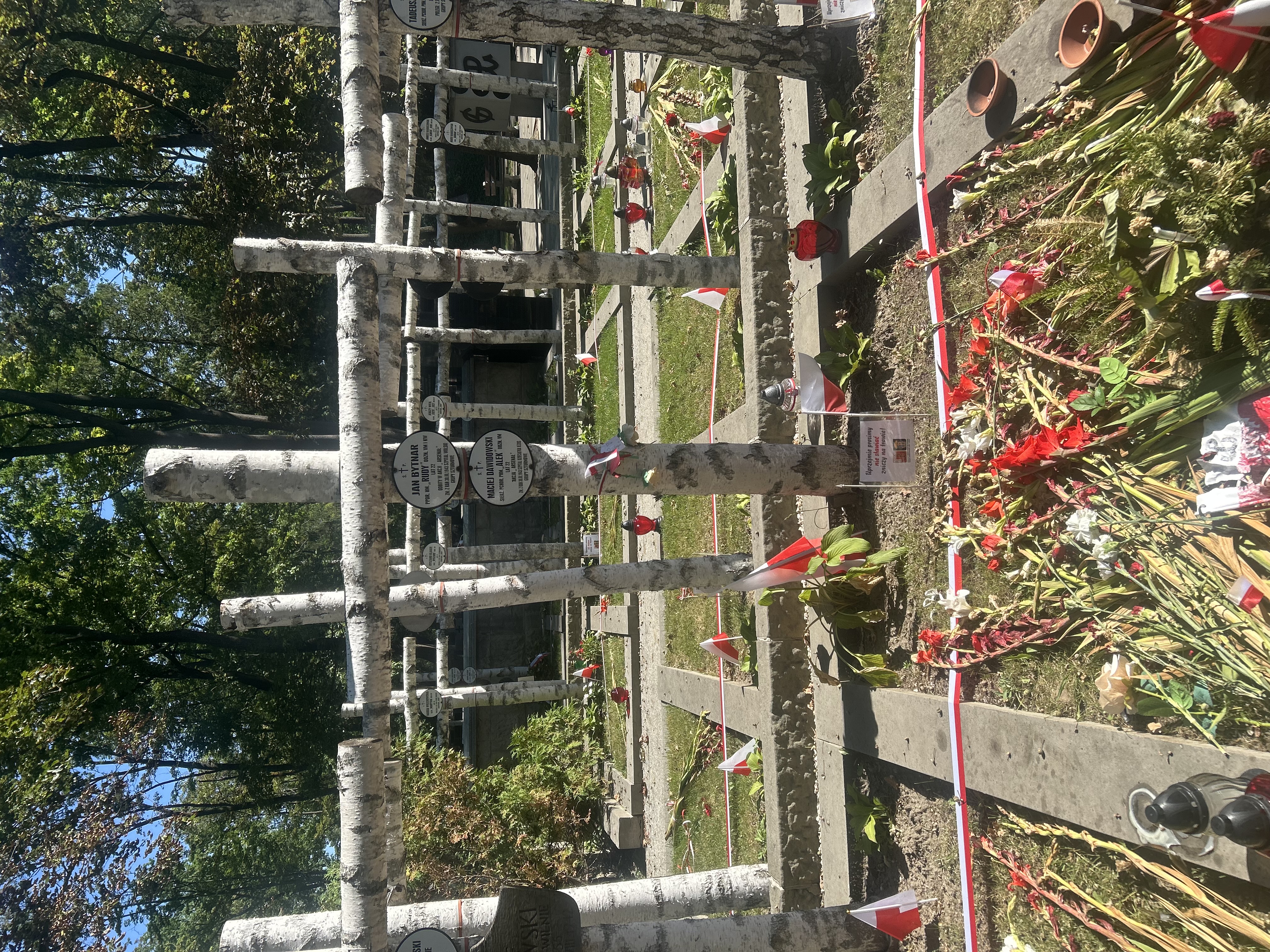
i love him so much i leave him things every time i visit my cutest boy /dawidowski
wip, this is pasted content that was here previously, i didn't include alek in this because i already wrote a seperate section for him but keep in mind they were best friends. he also met rudy and zośka in school, joined the grey ranks with them and he took part in all the sabotage activities listed below aswell..
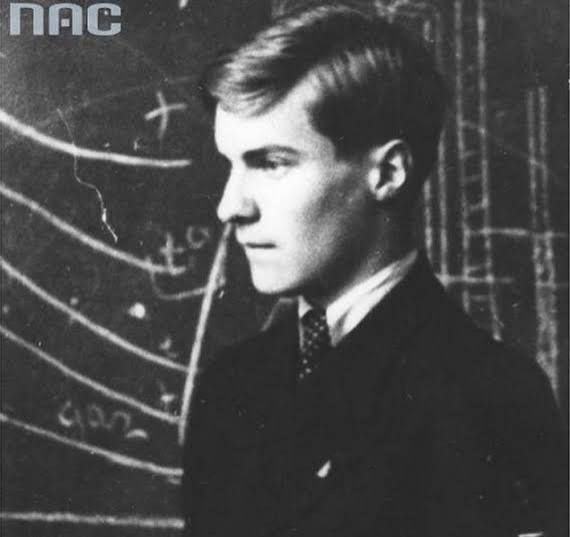
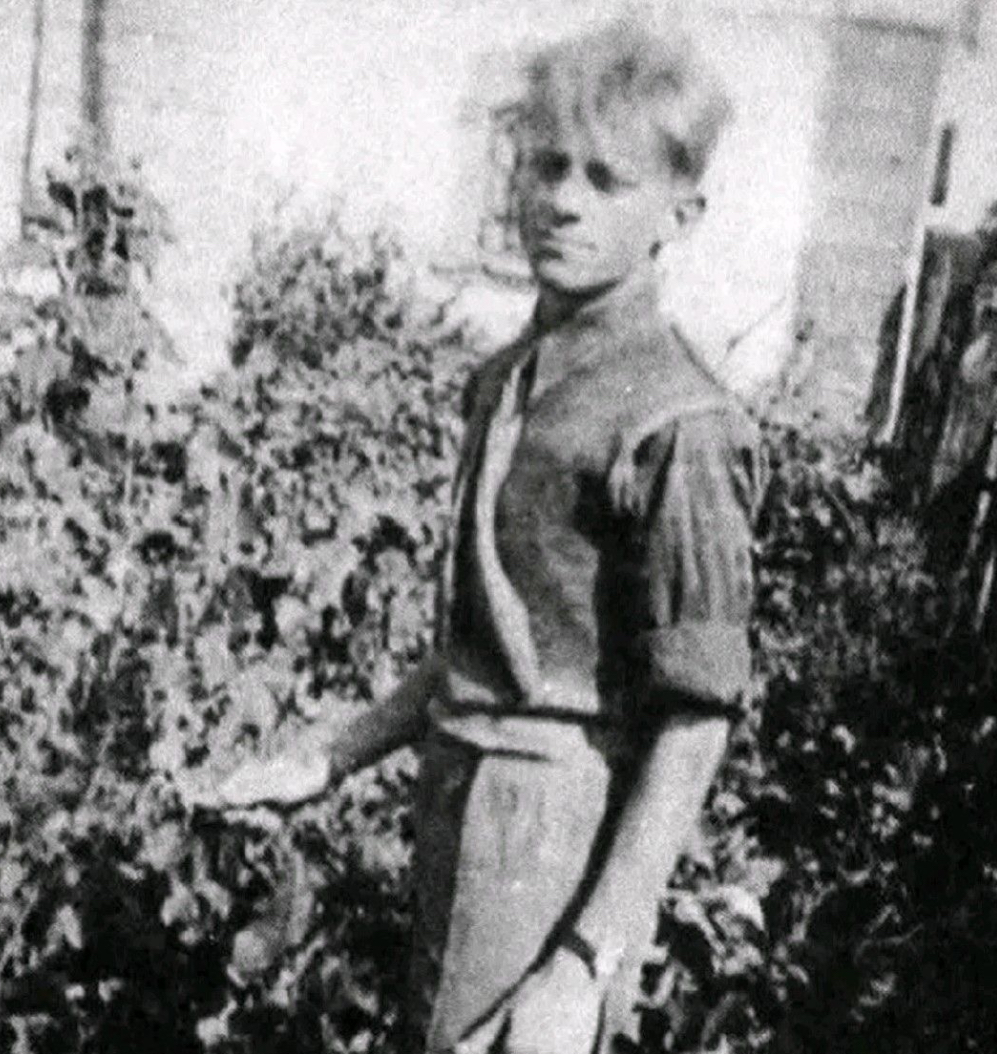
tadeusz zawadzki "zośka” (left) and jan bytnar "rudy” (right) met in 1937, when they were both 16 and attending the same high school in warsaw. they quickly became close and later joined the underground polish scouting organization grey ranks together, they took part in numerous resistance and sabotage actions during the german occupation. their activities included tearing down nazi flags and replacing them with polish ones, painting the “pw” symbol (polska walcząca — “fighting poland”) on city walls, destroying railway tracks, and covering nazi propaganda with patriotic slogans.
on march 23rd, 1943, rudy was arrested by the gestapo. he was brutally tortured in an attempt to extract information about the grey ranks and the resistance network. despite the beatings, often carried out until he lost consciousness, he refused to reveal anything. his injuries were so severe that on the second day of his arrest, he had to be moved to the prison hospital and was later carried to interrogations on a stretcher.
after learning what happened, zośka decided to act. he helped organize a rescue mission, gathering a team of 28 people to free rudy. the operation, known as operation arsenal, took place on march 26th and succeeded in rescuing rudy along with 20 other prisoners. tragically, rudy’s injuries were so severe to the point he died four days later.
aleksander kamiński, himself a member of the resistance, wrote “stones for the rampart” (kamienie na szaniec), a book chronicling the wartime experiences of zośka, rudy, alek and their fellow scouts in warsaw. the title comes from juliusz słowacki’s poem “my testament”, which zośka read to rudy on his deathbed.
“but i beg you — let the living not lose hope ever
and bear the torch of learning before their compatriots;
and when called, go to their death one after another,
like the stones tossed by the lord onto the ramparts…”
zośka died five months after rudy, also during a resistance action. both were posthumously awarded the order of virtuti militari (latin: “for military virtue”), poland’s highest military decoration for courage in wartime.
as for why some people interpret their relationship as potentially romantic: the discussion comes largely from historians and literary scholars. elżbieta janicka of the polish academy of sciences has noted that, in a culture where questioning someone’s heterosexuality is often treated as an accusation rather than an observation, comparing zośka and rudy to figures like achilles and patroclus can help reframe the conversation. she highlights certain passages in stones for the rampart, such as the scene after rudy’s rescue where zośka lies beside him in bed, and they talk about living together in the countryside after the war, imagining peaceful, happy days they would share. zoska also notes that “when we were together, he enjoyed me holding his hand or stroking his hair.” additionally, wartime rumors about their sexualities were mentioned by zoska’s own liaison officer. keep in mind zośka and rudy were real people, and they both had girlfriends. the point of the book is not whether they were gay or not.
- akcje małego sabotażu (1941–1942)
constant underground actions in warsaw: tearing down german posters and flags, painting kotwica, breaking loudspeakers, spreading leaflets. - akcja kopernik (11 february 1942)
alek removes the german plaque from the copernicus monument. one of the most symbolic actions of the occupation. - akcja sylwestrowa (31 december 1942)
coordinated attacks across warsaw on new year’s eve: cutting communication lines, disrupting transport, hitting german infrastructure. - akcja megafony (3 may 1943)
using loudspeakers to broadcast anti-nazi messages and polish patriotic content directly into public spaces. - akcja pod arsenałem (26 march 1943)
armed rescue of rudy from gestapo transport.
(after alek's + rudy’s deaths:)
- akcja celestynów (20 may 1943)
attack on a train transporting prisoners to auschwitz; prisoners freed. one of the most successful grey ranks operations. zośka participates - akcja taśma – sieczychy (20 august 1943)
attack on a german border guard post. zośka is kia
bear with me