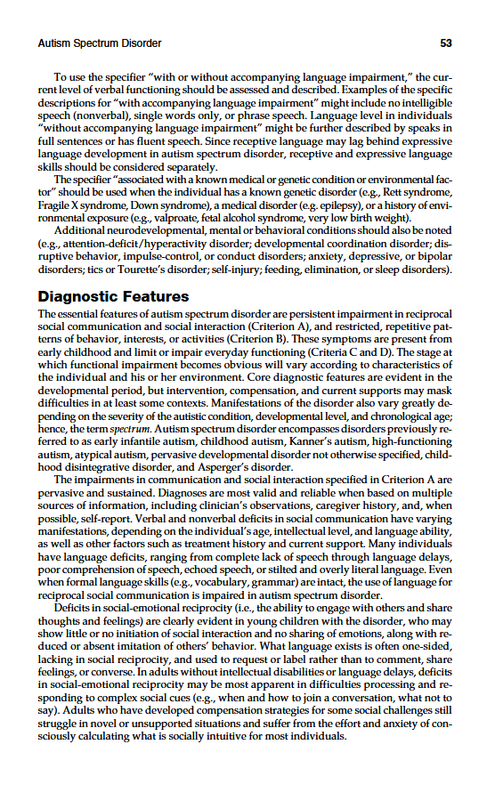
Early signs of this condition can be noticed by parents/caregivers or pediatricians before a child reaches one year of age. However, the need for services and supports typically become more consistently visible by the time a child is 2 or 3 years old. In some cases, the problems related to autism may be mild and not apparent until the child starts school, after which their deficits may be pronounced when amongst their peers.
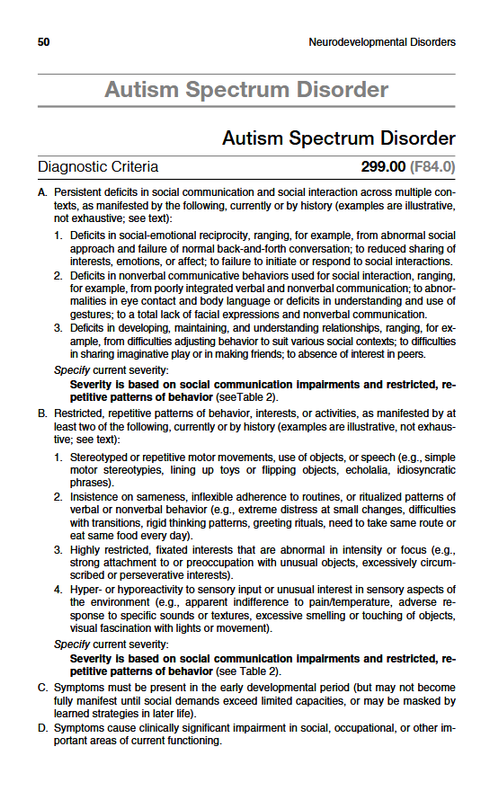
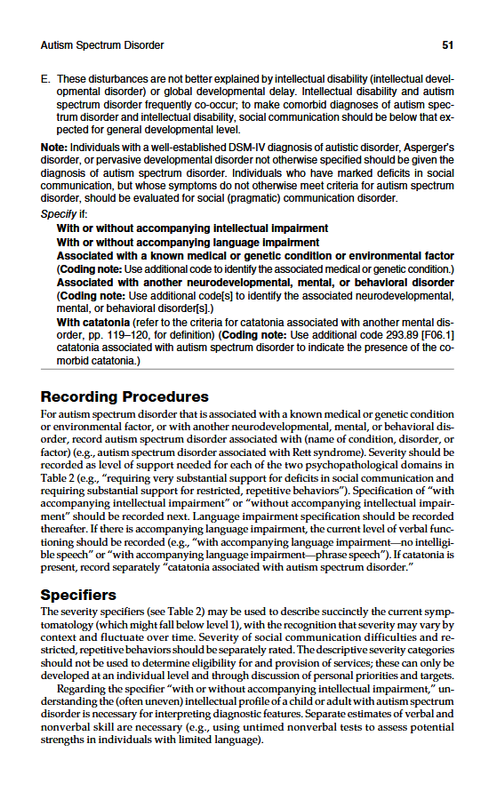
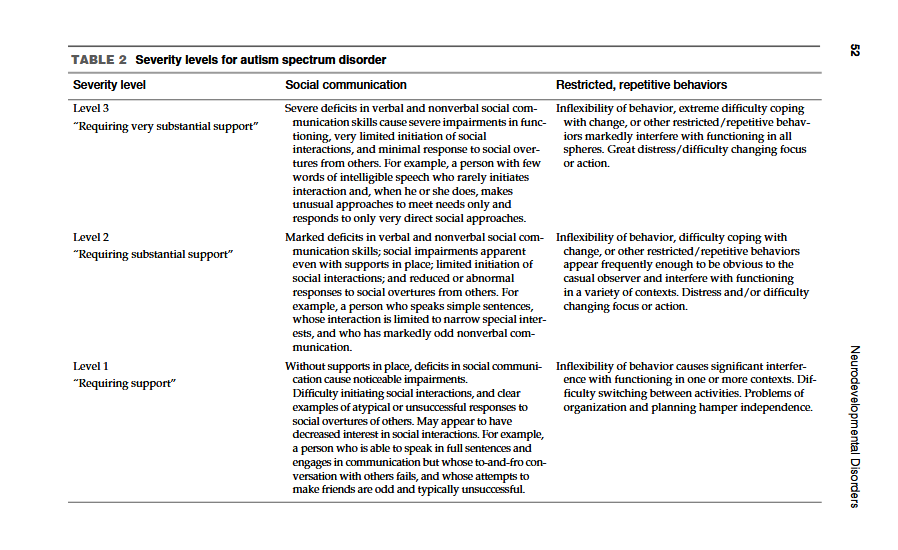
Social communication deficits may include1:
Restricted interests and repetitive behaviors may include1:
Parent/caregiver/teacher concerns about the child's behavior should lead to a specialized evaluation by a developmental pediatrician, pediatric psychologist, child neurologist and/or a child and adolescent psychiatrist. This evaluation involves interviewing the parent/caregiver, observing, and interacting with the child in a structured manner, and sometimes conducting additional tests to rule out other conditions. In some ambiguous cases the diagnosis of autism may be deferred, but an early diagnosis can greatly improve a child's functioning by providing the family early access to supportive resources in the community.
The first step is seeking an evaluation. Most parents start with their pediatrician who is checking on developmental milestones.
Example: Tomás is a 6-year-old boy whose family is troubled by Tomás' intense love of trains. His interest in trains, in addition to giving him great pleasure and serving to communicate his preferences, can sometimes lead to unintended consequences. For example, he gets angry and upset if his old trains are thrown away, or if his parents can't hold his train while he eats breakfast and gets ready for school in the morning. Teachers report that at school he tends to be very quiet and only listens when the topic of trains is brought up