/ctg/ Coffee Time General
Rentry v0.4
How to make good coffee

There are four things needed to enjoy quality coffee, each with its own choices and more or less necessary accessories:
- The coffee itself
- The water
- The brewer
- The grinder
You can combine points 1-4 to achieve various results of varying quality at various prices.
1. The coffee itself:
Points 3 and 4 don't count if 1 and 2 are of terrible quality. There are acceptable commercial coffees and if your town has an industrial roastery with an outlet shop you might want to drop in. The coffee you get in beans at an industrial roastery is much better than the ground coffee available at the supermarket.
Even better would be a neighbourhood/town roastery, where the coffee is roasted at least once a week and the roaster will be able to advise you on what is freshest and what he considers best. In general, if you want to drink coffee in a moka or espresso Italian style, choose beans that are dark brown and oily; if you want to drink filter or immersion coffee, choose the lightest beans.
Even better is to buy specialty coffee with a cupping score of 85 and above.
2. The water:
About 98% of the cup is water. If the water sucks, the coffee sucks. Common water problems: chlorine / bleach taste, too high fixed residue / high alkalinity. The former is obvious, the latter less so. Very alkaline water acts as a buffer to the solution, neutralising the sour flavours (fruit, flowers) of quality coffee, making it flat and bitter.
The municipal authority in your town provides water data in PDF format for your area. Depending on your preferred method of preparation (infusion/percolation or espresso) you will need to use appropriate water. In infusions and percolations of speciality coffee you want to retain the fruity and floral flavour of the product, so you must use soft water that does not buffer the solution. The lighter the coffee is roasted, the more the water must be incapable of buffering the solution.
La Marzocco recommends the following ranges for espresso water:
- ph 6.5-7.5
- tds 90-150
- hardness 70-100
- alkalinity 40-80.
3. The brewer:
Discussed later in the preparation methods.
4. The grinder:
There are an infinite number of coffee grinders but fortunately the good ones are few and far between. Coffee grinders are divided into conical and flat grinders. The former tend to produce a mixed distribution of the powders, called bimodal distribution (like an M), with coarse, medium and fine particles mixed in; the latter a more uniform distribution, called unimodal, like an A. This is "in general", because there are conical grinders that are more unimodal (e.g. the heptagonal grinders of the ZP6 filter grinder) as well as flat grinders that are more bimodal (e.g. the SSP high uniformity espresso grinders).
Avoid ceramic burr, plastic burr and blade grinders!
The fundamental question is: what is your budget? Grinders range from $30 to $4000. The $4000 coffee grinder is worth it all and is a universe apart from the $30 one, but the $4000 coffee grinder is not perceptibly different from the $2000 one, which is discreetly better than the $1000 one and so on. There is a point where the return on investment is minimal and it becomes more of a flex, or a pleasure to have something of superior quality. Nothing bad or ashamed about that.
| $50 | $100 | $250 | 500 | $1500 | $5000 |
|---|---|---|---|---|---|
| turin h40 | Timemore Chestnut C3 | 1ZPresso/Kingrinder J-Max K-Plus K4 K6 etc | Commandante C40 | Eureka Mignon Specialita | WUG 2 |
| timemore chestnut c2 | Normcore V2 | LIDO 3/ET | Kinu M47 | Niche Zero | Option-O Lagom P64/P100 |
| 1ZPresso Q2/Mini | Option-O REMI | Fellow Ode | DF64 | Kafatek Monolith | |
| Kinu M47 Phoenix | Eureka Mignon Silenzio/Facile | Mazzer Super Jolly | Mahlkonig EK43 | ||
| Baratza Encore/Virtuoso | Baratza Sette 270 | HG-1/HG-1 Prime | Weber HG-1 | ||
| Eureka Mignon Crono/Filtro | Option-O Lagom Mini | Compack E5 | Ditting 807/807 Lab Sweet | ||
| Eureka Atom 65/75 |

Manual grinders in no particular order:
- 1zpresso k-pro/max/ultra: suitable for filter and espresso, produces balanced flavour and good body for espresso and fair clarity for filter
- 1zpresso zp6 special: only suitable for the filter; does not grind fine enough for moka or espresso. absolute clarity and transparency. warning: this means that if the coffee you buy is of low quality, you will feel all the defects in the cup (clarity and transparency means that)
- 1zpresso jx-pro: suitable for both, mixes the flavours in the cup quite a bit because it creates a lot of fine powders and a lot of coarse powders together. bad coffees will be drinkable, good coffees will be penalised
- kingrinder k4 and k6: half-price equivalents of jx-pro and k-ultra
- kinu m47: equivalent to a k-ultra at a higher cost, but with quality to match
- commander c40: made in germany
- timemore c2: equivalent 1zpresso x-pro (not jx-pro) Chinese
- pietro: made in italy, manual coffee grinder with flat burrs. the
- cafesing orca with ghost burrs: at your own risk. ghost burrs are toothed flat grinders instead of blades, they expose all coffee defects with their uniform powder production filter grinders (brew burrs) are among the best possible with enormous clarity and transparency
- turin/icafilas h40: the most overlooked hand grinder, can be found for $35
Electric grinders:
- niche zero, 500-700€: excellent espresso, full-bodied and syrupy Italian-style, decent filter with not excellent separation of flavours. although it is made in uk, it is assembled and manufactured in china. the motor is easily replaceable. is known to go up in smoke.
- niche duo 900-1200€: like the zero but with two sets of flat grinders. more separate flavours, but not worth it
- fellow ode brew gen 2, €300: great for filter coffee, the gen 2 grinders were developed to have excellent clarity and separation of flavours, but without being difficult to set up like the SSP MP which separates too much. cannot grind fine enough for espresso. made in china.
- option-o lagom p64 with ssp cv2 / silver knight cast grinders (1700€): perfect for filter and espresso, no taste defects. although it is designed in australia or NZ, it is assembled in china. there are doubts about the durability of the motor.
- df64v2 / df83v2 (500-700€), also known as g-iota and turin grinder. made in china, but very well made. 64 and 83mm flat grinders to choose from, compatible with SSP grinders. questionable factory alignment. among the most popular and common coffee grinders because it offers 'good' quality at a 'good' price
- weber workshops eg-1 (3500-4000€): one of the top of the range, not without its faults. design and results excellent, made in taipei. cup results depending on the burrs you choose to fit.
- kafatek monolith flat max (€ 3000-4000): like the eg-1 above, but with assured reliability; made in usa. cup results depending on the burfrs you choose to fit.
- zerno z1 (2000€): made in usa, 64mm, cup results depending on the burrs you choose to mount. absolute reliability.
- mazzer philos (1000€): made in italy, 64mm, cup results depending on the burrs you choose to mount.
- Wug2-83a (1555€): easily swap the burr from concial to flat burr, or from a 80mm flat burr to a 83mm flat burr in just 5 mins., cup results depending on the burrs you choose to mount.
Methods and brewers
The mokapot:
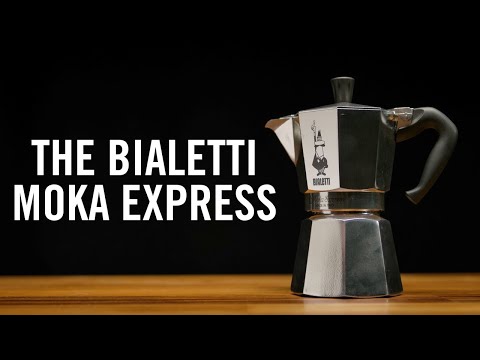
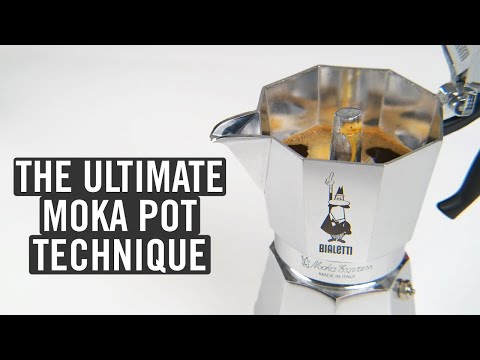
A classic method, the moka pot is said to be fickle but rewarding with it's low floor and high ceiling. It creates full-bodied concentrated coffee some would say is espresso adjacent.
- equipment needed
- bialetti moka 1-3 cups (16-26€)
- ground coffee (lavazza crema and gusto, 7€/kg)
- any scales
- tap water, if your supply is <100 fixed residue
total initial cost: less than 30€
- how to get the best result:
- weigh on a scale how much water enters the kettle up to the bottom of the safety valve
- divide this weight by 10
- fill the filter with those grams of coffee, levelling the coffee without pressing it down
e.g.: bialetti 1 cup takes 63g of water, I use 6.5g of coffee, 6g if the scales do not mark tenths - heat the kettle with the water on the stove for a few minutes to get close to boiling temperature. smaller cooker with lower heat
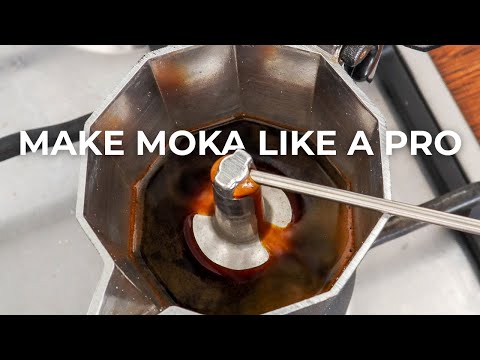
- insert the filter, screw on the mokapot body using a cloth so as not to burn yourself
- leave the lid open, lift the moka from the flame (without removing it completely) a few seconds after the coffee has started to come out
- modulate the distance between the fire and the moka pot to keep the coffee output stable and not spit it out
The improved mokapot:
- equipment needed:
- coffee beans, preferably Arabica blends from the roastery.
- very mild water (fixed residue, alkalinity and hardness ideal for all types of coffee)
- decent coffee grinders. good options:
- turin h40 (often 30€ on aliexpress)
- timemore c2 (80€)
- 1zpresso q2 (100€)
- total expenditure: 50-150€
- how to get the best result:
- grind the coffee beans to a size similar to salt, experiment with the coffee grinder to find the best setting. it is usually somewhere between espresso and filter
- proceed as above
The mokapot: what to avoid:
- high fixed residue water
- water with too low a fixed residue, stay between 60-100
- special moka machines, pressure, etc. the result is the same or, at the limit, with added foam instead of cream
- closed lid or anything else that prevents the steam from escaping at its best
- high fire or large cooker
- compact the coffee
- use too much coffee
- sugar in the coffee
- leave coffee in the hot mokapot

Nespresso capsules:
- equipment needed:
- classic nespresso machine with the lever in front, usually krups or delonghi; avoid other models (30€)
- compatible nespresso capsules; make sure they have the seal under the edge of the capsule like the originals, or the machine will sneeze dirty water into the cup. lavazza makes good capsules (17-19ct per capsule)
Improved nespresso capsules:
- equipment needed:
- speciality coffee capsules and other specialities. nespresso brand capsules also good if you don't mind everything tasting like roasted cereals (40-60ct per capsule)
Nespresso capsules: what to avoid
- high residue tap water, machine breaks down
- other 'mini', 'micro', 'slim' models that break after a few months
- compatible capsules without a seal
- reusable and refillable capsule kits

E.S.E. Pads
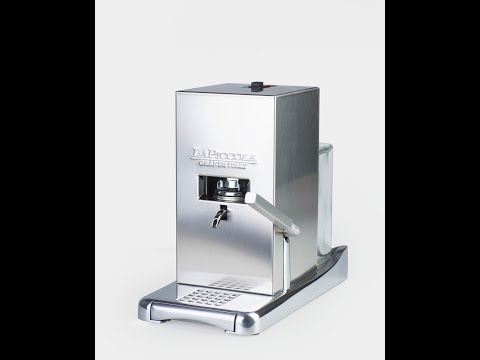
The E.S.E. Pods (Easy Serving Espresso) are coffee portions made of a light filter paper and ground coffee. E.S.E. pods have a standardized diameter of 44 mm and therefore fit all espresso machines.
- equipment needed:
- current espresso machine / E.S.E. Pod machine
French press:
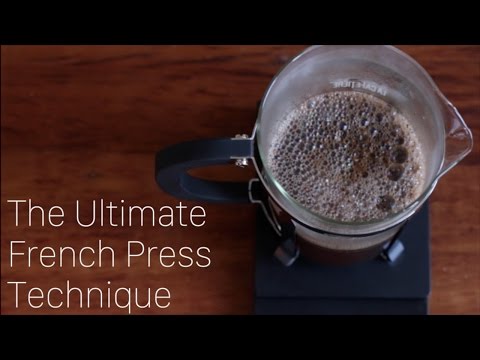
A classic method of brewing filter coffee. French presses are cheap, easy to use and create a full-bodied cup that fans of this method love. Being an immersion method, french press is said to be more forgiving of grind inconsistencies.
- equipment needed:
- french press ikea 15€
- coffee beans from the roastery
- coffee grinder (those recommended for the mokapot are adequate)
- scales
- total expenditure: 50-150€
- how to achieve the best result:
- follow a 1:15 coffee-water ratio. for 15g of coffee use 225g of water
- grind the coffee coarser than the filter, like small bread crumbs
- heat the water to 95c (bring it to the boil, then wait 30 seconds with the heat off)
- pour all the water together as quickly as possible over the coffee in the filter
- shake / stir / stir vigorously with a spoon for 10s
- wait 2 minutes
- press the plunger slowly
- pour the coffee and wait 5-10 minutes for it to be drinkable (50-60c)
- improvements:
- specialty coffee with specialty water (10 of fixed residue, low alkalinity brings out the sour and fruity flavours without tempering them)
- WW bird (300€)

Aeropress:
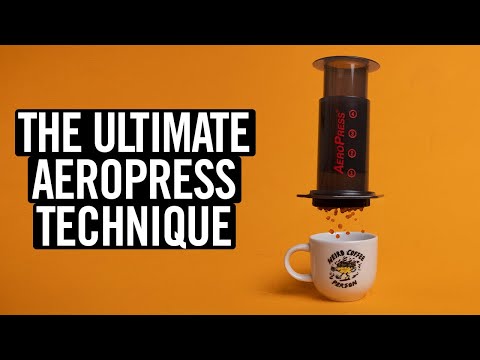
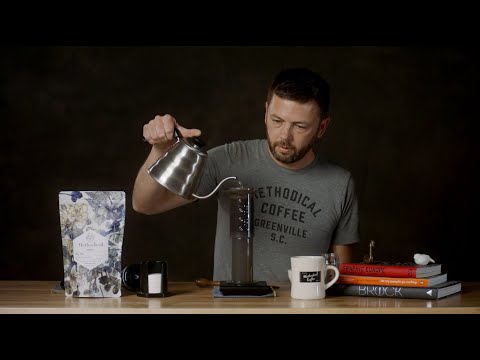
Tried, true and near impossible to f*ck up: the Aeropress is durable, cheap and doesn't require a gooseneck kettle. 'Aeropress Gang' members often say an Aeropress is the perfect way for beginners and experts alike to enjoy a nice cup of joe.
- equipment needed:
- aeropress (45-50€)
- aeropress filters
- roast or speciality coffee beans and coffee grinder
- how to get the best result:
- turn the aeropress upside down and leave the plunger at the mouth for the "inverted aeropress" method
- grind the coffee to filter size, like sand grains or fine couscous
- do exactly as with french: 1:15, 95c, 10 seconds of vigorous stirring
- wait between 4 and 8 minutes, it doesn't matter
- put the filter in the cap, screw the cap on, invert the aeropress onto a cup and slowly press the plunger down (about 1 minute)
- improvements:
- specialty coffee with specialty water (10 of fixed residue, low alkalinity brings out the sour and fruity flavours without tempering them)
- fellow prismo to avoid the upside-down method

Steep & release:
- equipment needed:
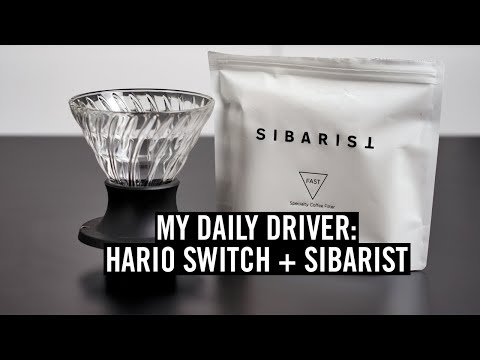
- hario switch (50€) / clever dripper (40€) / pulsar (70€) and filters
- specialty coffee beans and coffee grinder
- how to get the best result
- grind filter size (sand, sugar, fine cous cous), ratio 1:15 as above
- water 95c, ratio 1:15
- pour in the water and shake the coffee bed
- leave to infuse for a few minutes, then release the cap and filter the coffee into the cup

Immersion: what to avoid
- ground coffee, Italian blends, coffee with robusta
- very alkaline water with a high fixed residue that buffers and eliminates the acidic and fruity flavours of the speciality
- pressing the plunger of the aeropress and french press firmly to the end moves bitter particles from the filter into the cup
Filter / pourover:
Pour-over in general greatly benefits from the use of a gooseneck kettle. V60 has a high ceiling but its learning curve is said to be steeper than other methods and it's generally less forgiving of poor grind quality.
- equipment required:
- hario v60 02 / melitta 102 (10€) and filters
- roasting or speciality coffee beans
- better coffee grinder than immersion methods:
- 1zpresso zp6 and k-pro/max/ultra (200-250€)
- kingrinder k6 (150€)
- kinu m47 (250€)
- fellow ode brew gen 2 (300€)
- pietro brew grinder (400€)
- gooseneck kettle (variable)
- how to get the best result:
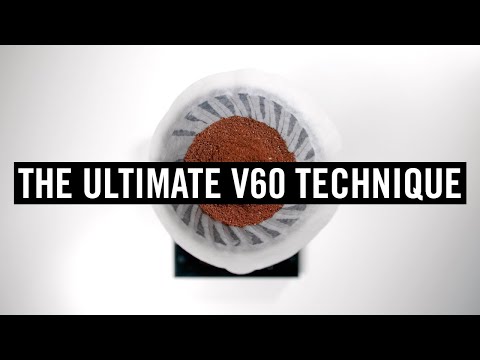
- grind filter size (sugar, fine cous cous, etc). make sure the grind is uniform (use only the grinders on the list, or proven equivalents). if you create inconsistencies in the particulates the water will prefer to pass through one side rather than the other, creating grooves that will create terrible flavours in the cup, because where the water passes the coffee will be over-extracted and where it does not pass it will be under-extracted
- 95c water, ratio 1:16 or 1:17
- wet the filter to make it stick to the dripper, pour the coffee inside, level it out
- pour twice the weight of coffee into the water and stir to wet all the beans. wait 45-60s
- pour in the rest of the water from 10cm away, calmly and in a circular motion
- total percolation time: 3-5 minutes
Improved pourover:
- equipment needed:
- orea v3 (30€) and kalita wave 185 filters
- how to get the best result:
- everything as above, grind finer because the orea is a fast dripper


Pourover: what to avoid
- ground coffee, Italian blends, coffee with robusta
- very alkaline water with a high fixed residue that buffers and eliminates the acidic and fruity flavours of the speciality
- let the water in the dripper drop too much and uncover the coffee bed by cooling it. pour the water at regular intervals (if you make several pours) and in any case before it drops too much and reaches the coffee
Pourover and immersion: what to do if..:
- bitter cup coffee: grind coarser, agitate coffee bed less
- sour cup coffee: grind finer, agitate coffee bed more
- coffee in a cup flat and bland: if 1:17 go down to 1:16, divide water into two or three pours instead of one
- coffee in a cup bitter despite everything: use sant'anna water to avoid completely blotting the solution
- bitter coffee anyway: the coffee you have chosen is not good. use immersion methods (aeropress, french press, etc) and water at 85c
- bitter coffee anyway but now it's in the cup and I have to drink it: add 4 drops of saline solution (20% salt, 80% water)
Cold Brew:
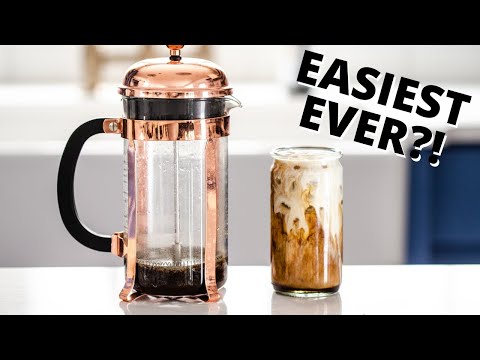
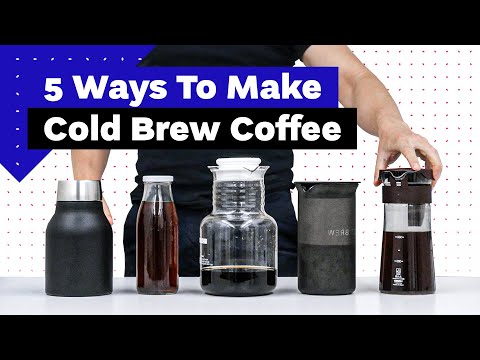
What most know as cold brew is a concentrated extraction of coffee using cold or room temperature water done over a long period of time, anywhere from a few hours to multiple days. The coffee is diluted to taste when served, and is usually served cold, with ice. Cold brew coffee is said to be less acidic and offers a "rounder" flavor profile. It's extremely easy to brew but you should know it requires much more coffee than methods with hot water. Because of this, some see cold brew as a way to use up stale or lesser quality beans.
- equipment needed:
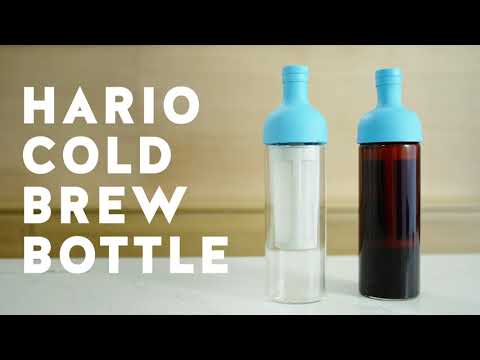
- jar / bottle / vessel
- paper / cloth / metal filter
- how to get the best result:
- 1:7 Grounds to Water Ratio
- Room temp water
- Coarse grind
- 12-24 Hours in the refrigerator
Espresso:
Espresso and espresso-based drinks are the most common ways to drink coffee in the west. An espresso is a small, concentrated coffee: the product of finely ground coffee extruded under high pressure. It has a fairly steep learning curve and has traditionally been expensive to make at home but recent developments in manual machines and hand grinders have made espresso more accessible than ever.
- entry manual equipment:
- flair neo flex ($100) / picopresso ($130)
- turin h40 ($35)
- tiny2s scale ($30)

- entry electric equipment:
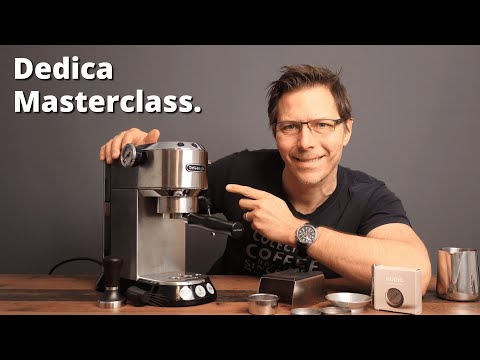
- dedica dedica (160€)
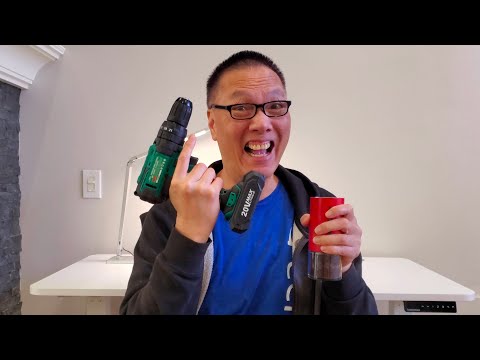
- hand grinder + electric drill
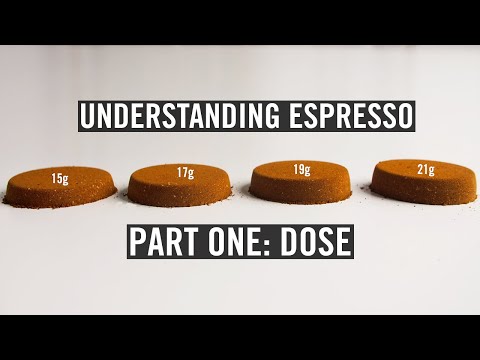
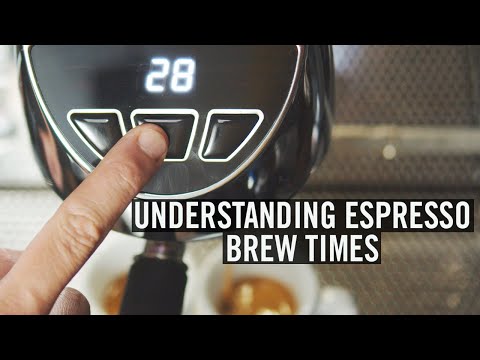
Understanding espresso


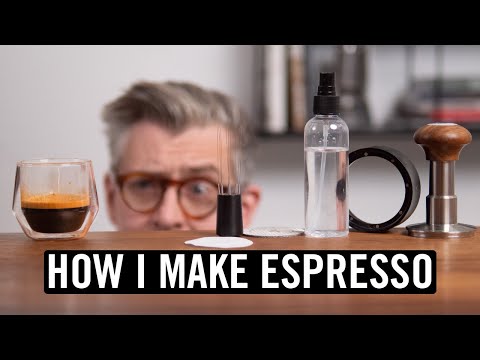
How to prepare espresso
Espresso-based drinks

Where to buy coffee
-
Canada
-
USA
- swroasting.coffee
- passengercoffee.com
- counterculturecoffee.com
- proudmarycoffee.com
- regaliacoffee.com
- vervecoffee.com
- onyxcoffeelab.com
- heartroasters.com
- sweetbloomcoffee.com
- blackwhiteroasters.com
- redbirdcoffee.com
- seycoffee.com
- madcapcoffee.com
- huckleberryroasters.com
- perccoffee.com
- birdrockcoffee.com
- coavacoffee.com
- parlorcoffee.com
-
Europe
- timwendelboe.no
- mame.coffee
- aprilcoffeeroasters.com
- koppi.se
- kawa.coffee
- dakcoffeeroasters.com
- squaremilecoffee.com
- lacabra.dk
- caffelab.com
- thebarn.de
- cliftoncoffee.co.uk
- 3fe.com
- gardellicoffee.com
- hasbean.co.uk
- bonanzacoffee.de
- dropcoffee.com
- fiveelephant.com
- wideawake.coffee
- jonasreindl.at
- nomadcoffee.es
- friedhats.com
- morgoncoffeeroasters.com
- thepickychemist.com
- mokcoffee.be
-
Australia
Roasting
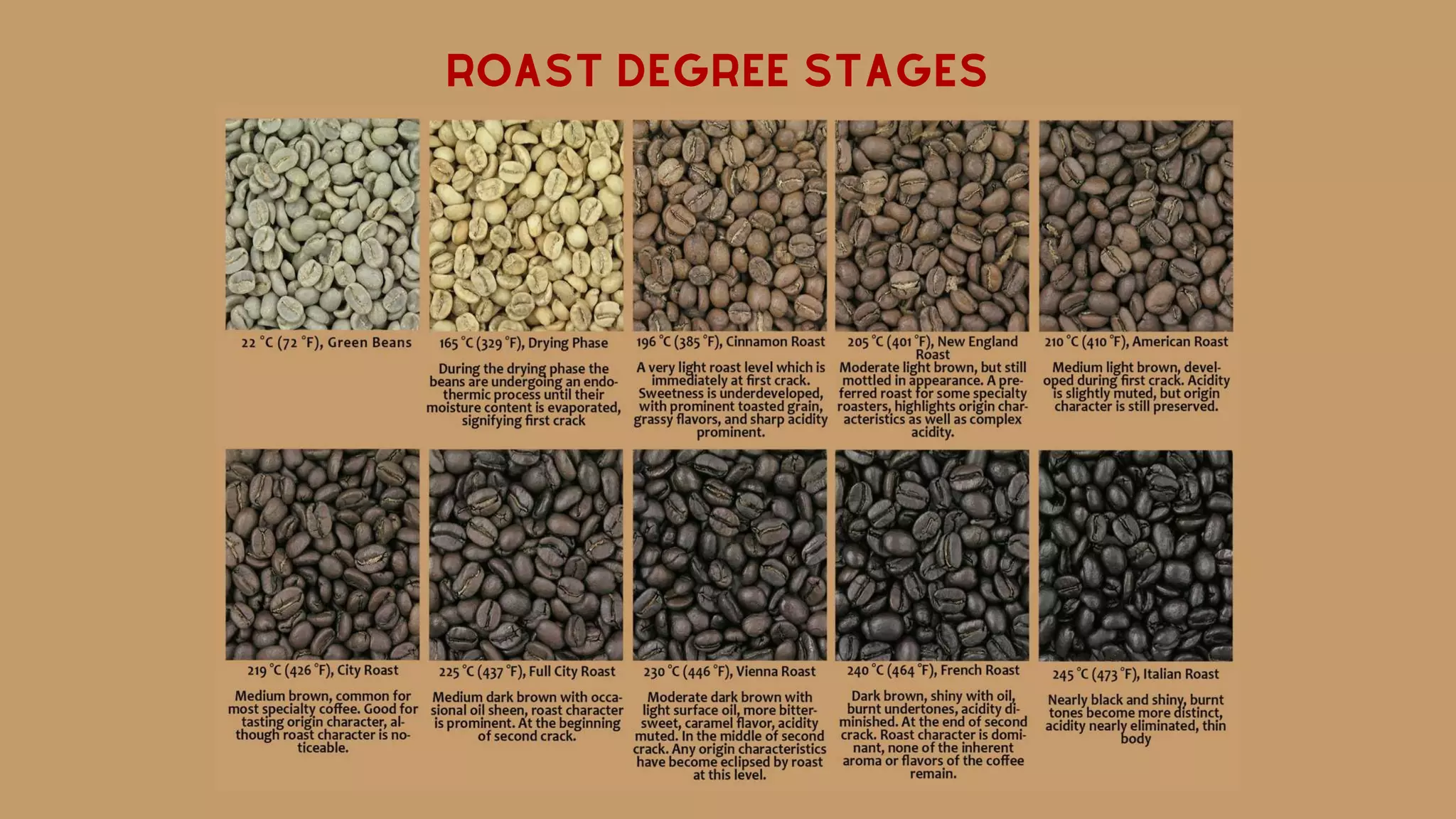
Coffee roasting begins with green coffee beans, which themselves have been processed and dried. Temperatures are raised progressively from about 180 to 250 °C (356 to 482 °F) and heated for anywhere from 7 to 20 minutes, depending on the type of roast, light or dark, desired.
Entry roasters
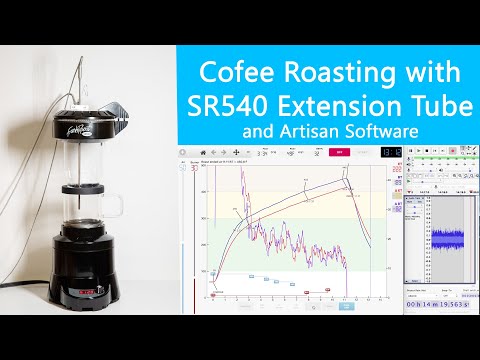
Fresh Roast SR800/SR540
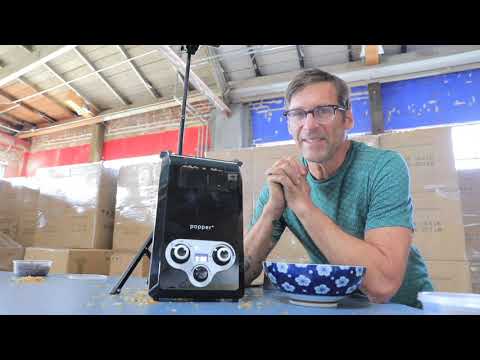
Popper is a Coffee Roaster
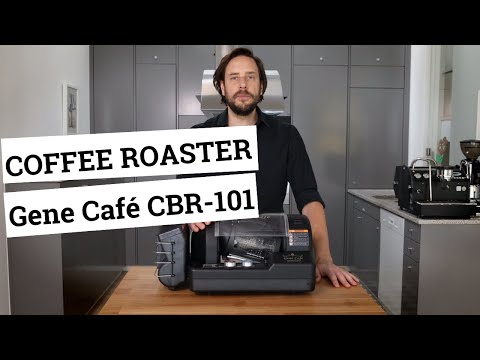
Gene Cafe
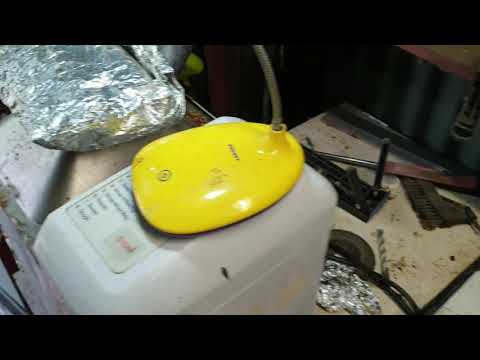
Corretto
Where to buy coffee gear
Other than Aliexpress/local marketplaces (Craigslist, FB, etc):
- USA
- Canada
- Europe
- Australia
Coffee tisane
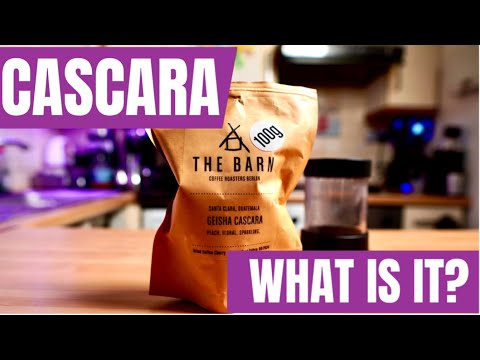
You like tea but not so much coffee? You want to taste the fruit and not the roast? Well Cascara is for you!
Did you say Cascara? Good question.
Coffee beans are the kernel of a fruit, commonly called a coffee cherry. The color of this small fleshy fruit can vary depending on its variety, but it is most often yellow or red when ripe. The cherry itself contains caffeine (this is how coffee gets its caffeine) and is rich in antioxidants.
The fruit protects its grains while they grow and deters insects and other wildlife from preventing development. After pulping the fruit, we roast the green beans to obtain coffee. But what happens to the cherries that worked so hard to protect these coffee beans?
Typically, the cherry is discarded once separated from the kernels.
In some cases, coffee cherries can be turned into compost and used on the farm as fertilizer.
In some cases, cherries can be dried and brewed as "tea." In Ethiopia, the birthplace of coffee, cherries are dried and brewed into a drink called Qishr. When coffee trees migrated from Africa and were planted by Europeans in Central and South America, dried coffee cherries were referred to as Cascara. Few coffee farmers produce Cascara and even fewer countries export it.
At the farm level, Cascara requires the same attention as in coffee processing, and there is a spectrum of quality that varies among the farmers who produce it. Coffee cherries that have been meticulously grown, picked, produced and dried will ultimately lead to a better beverage if brewed correctly.
Although cascara comes from the coffee plant, it does not taste like coffee. Since it is made from a dried fruit, it is primarily an herbal tea. The variety of the coffee cherry – in addition to where it is grown, when it is picked and how it is processed – has a strong influence on the taste profile, body and acidity. Typically, the flavor profile contains a naturally sweet component that may be complemented by a tart or floral component. The way it is brewed also plays a role in the stronger flavors. Hot or cold brew, Cascara is an extremely interesting way to enjoy another delicious part of a plant that we are all very attached to.
It’s a great way to enjoy a different aspect of the coffee plant and is becoming increasingly popular in coffee shops around the world. Have you ever tried it?